Lobstering II
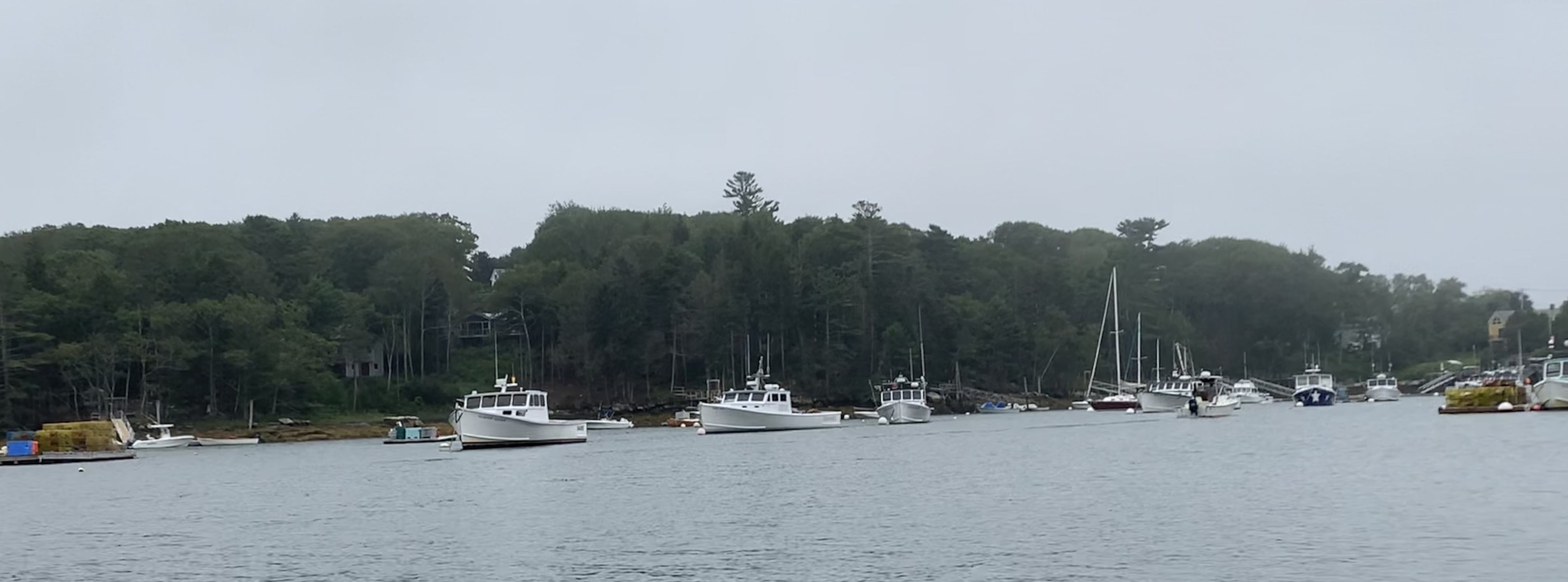

Seven years ago when Eddie was four, he could not reach the twin throttles his father uses to control his lobstering boat with the precision of a gondolier, despite standing on tippy toes and stretching every limb in his body. In those days Eddie had a couple of baited lobster traps in the shallow water off his dad’s dock and hauled them up for us. They were empty but no matter. He had a couple of his own traps and the delight of hauling them up every day and the delight of baiting them and thinking about them and fiddling around with them. The very definition of enthusiasm, Eddie had lobstering in his blood and in his marrow and in his fingertips. One wondered if his boyish infatuation would last.
It has.
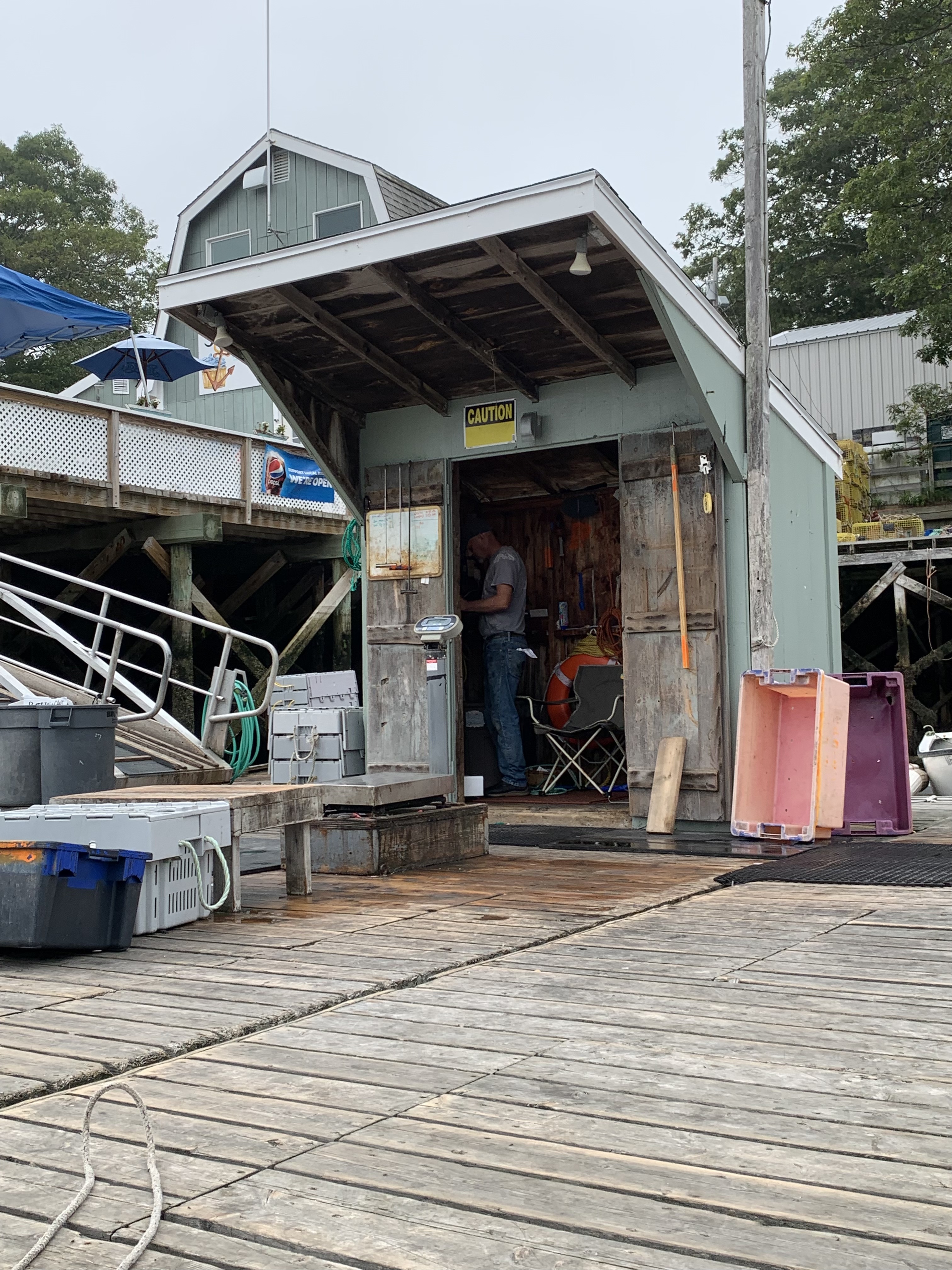
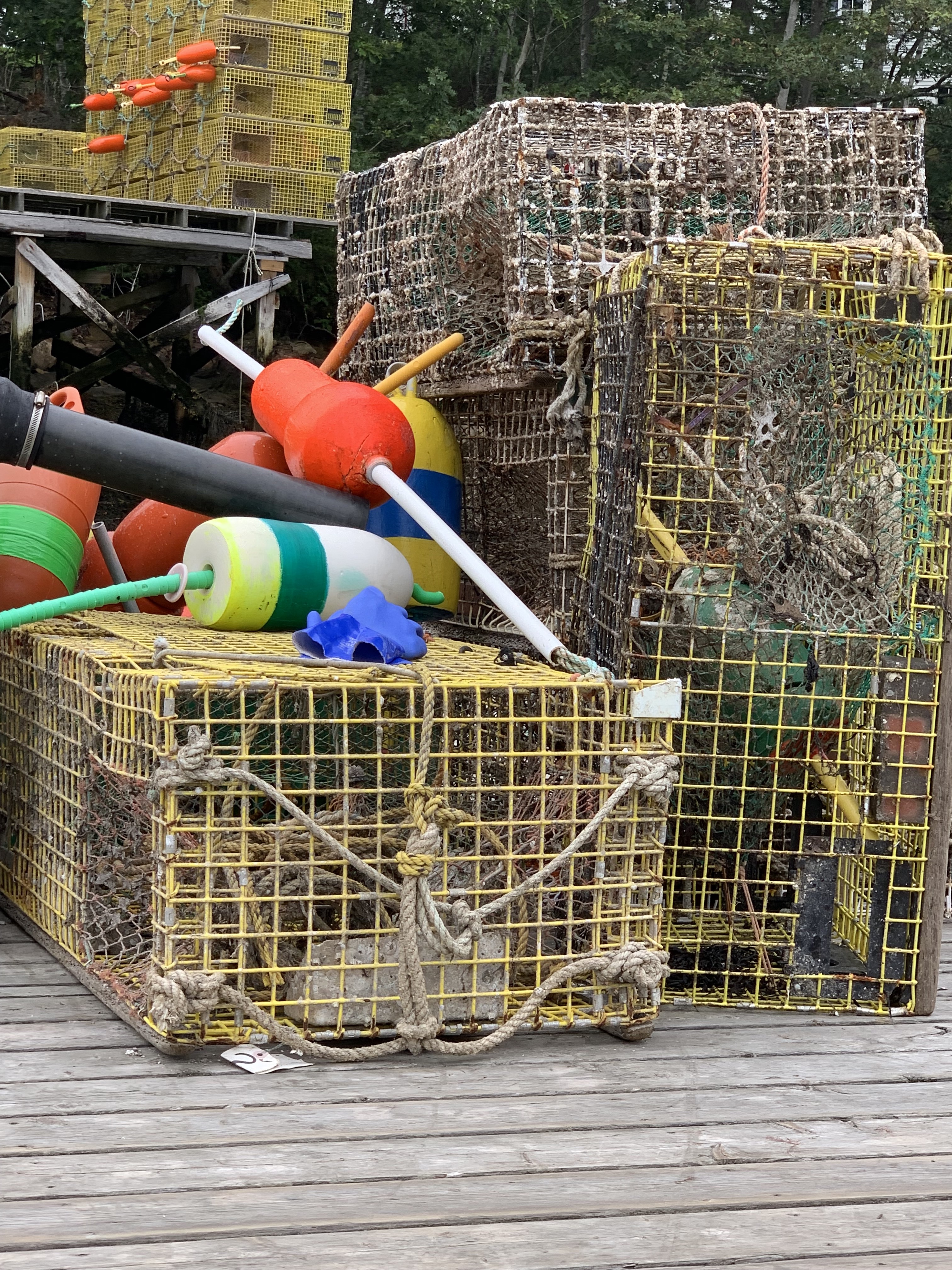
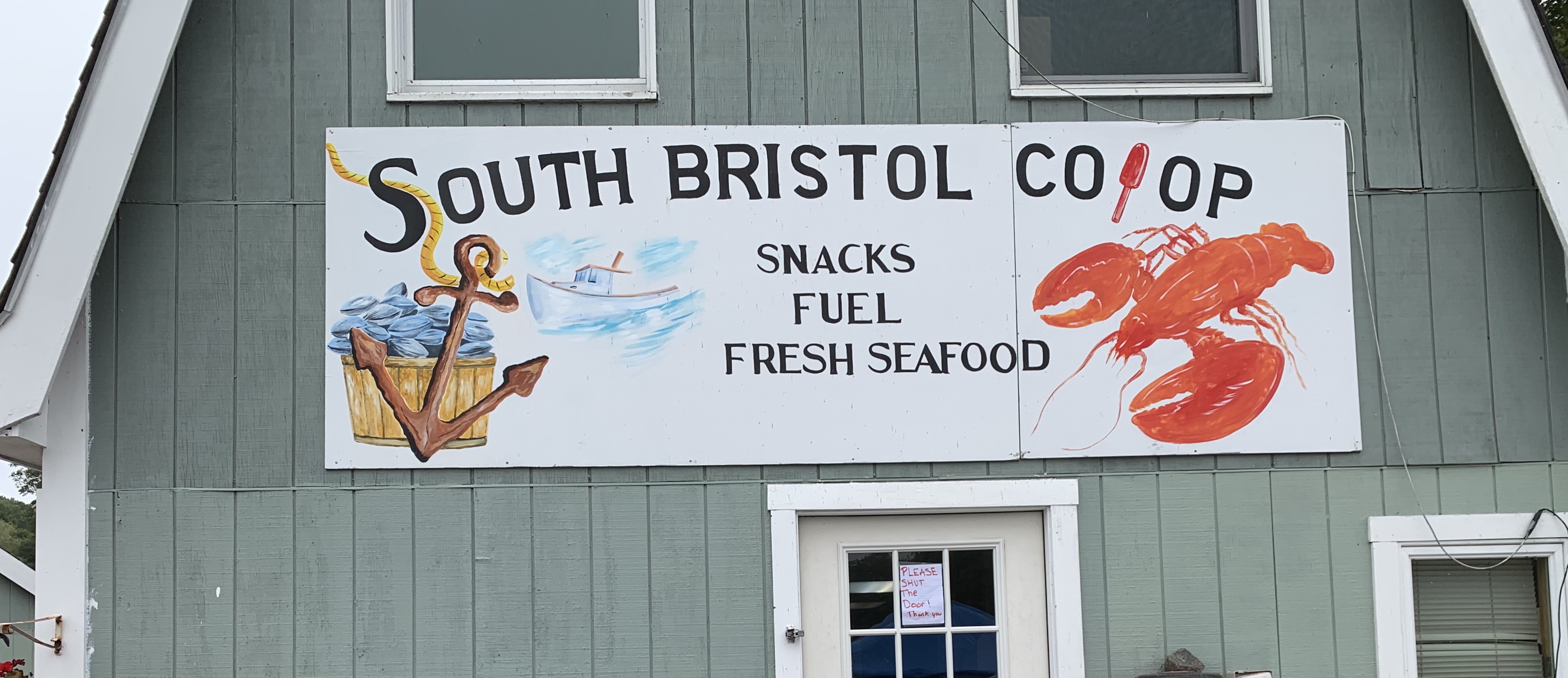
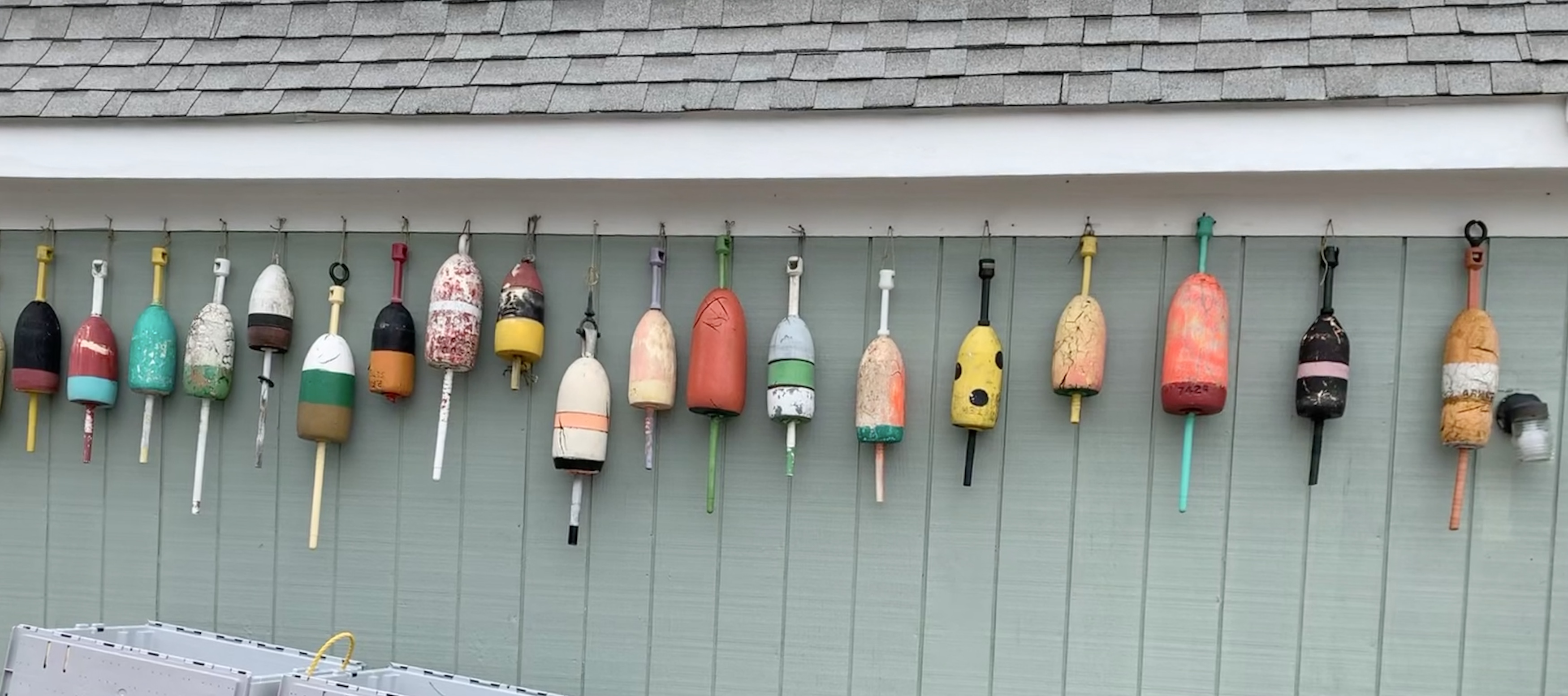
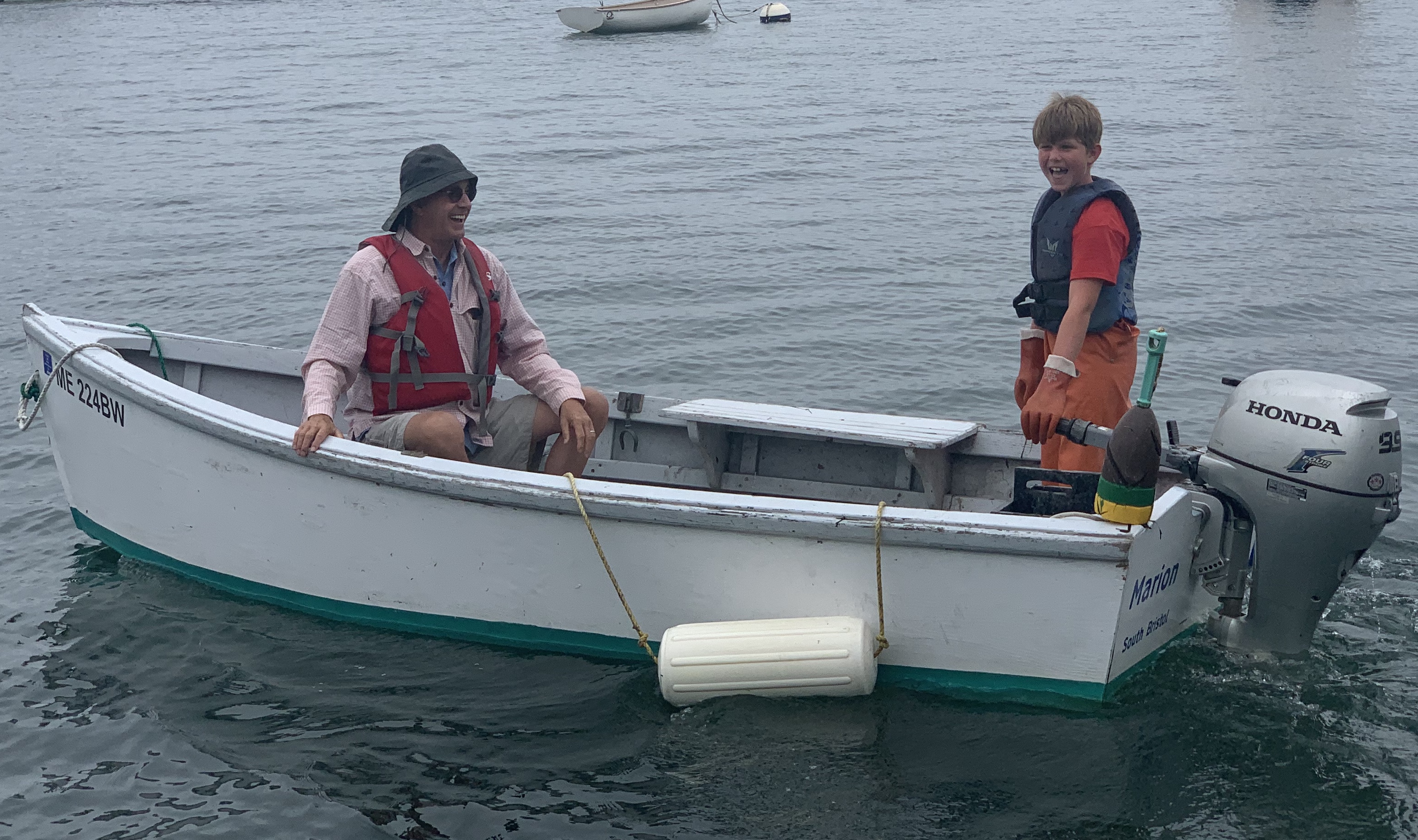
John Seiders, Eddie’s dad, has set him up with a skiff of his own, and traps and rubber boots/pants/gloves and a serrated knife suitable for slitting open the bait fish to attract the lobsters and the little gizmo used to measure for legal size and the other little gizmo used to shut the crushing claws with rubber bands and ropes and buckets and buoys. All members of the South Bristol Lobster Co-op have distinctive color palettes on their buoys. Eddie adopted the green-yellow-brown pattern that his grandfather has used for decades. Eddie sets his traps at depths under thirty feet; his grandfather fishes deeper waters. That way they manage not to haul one another’s traps.
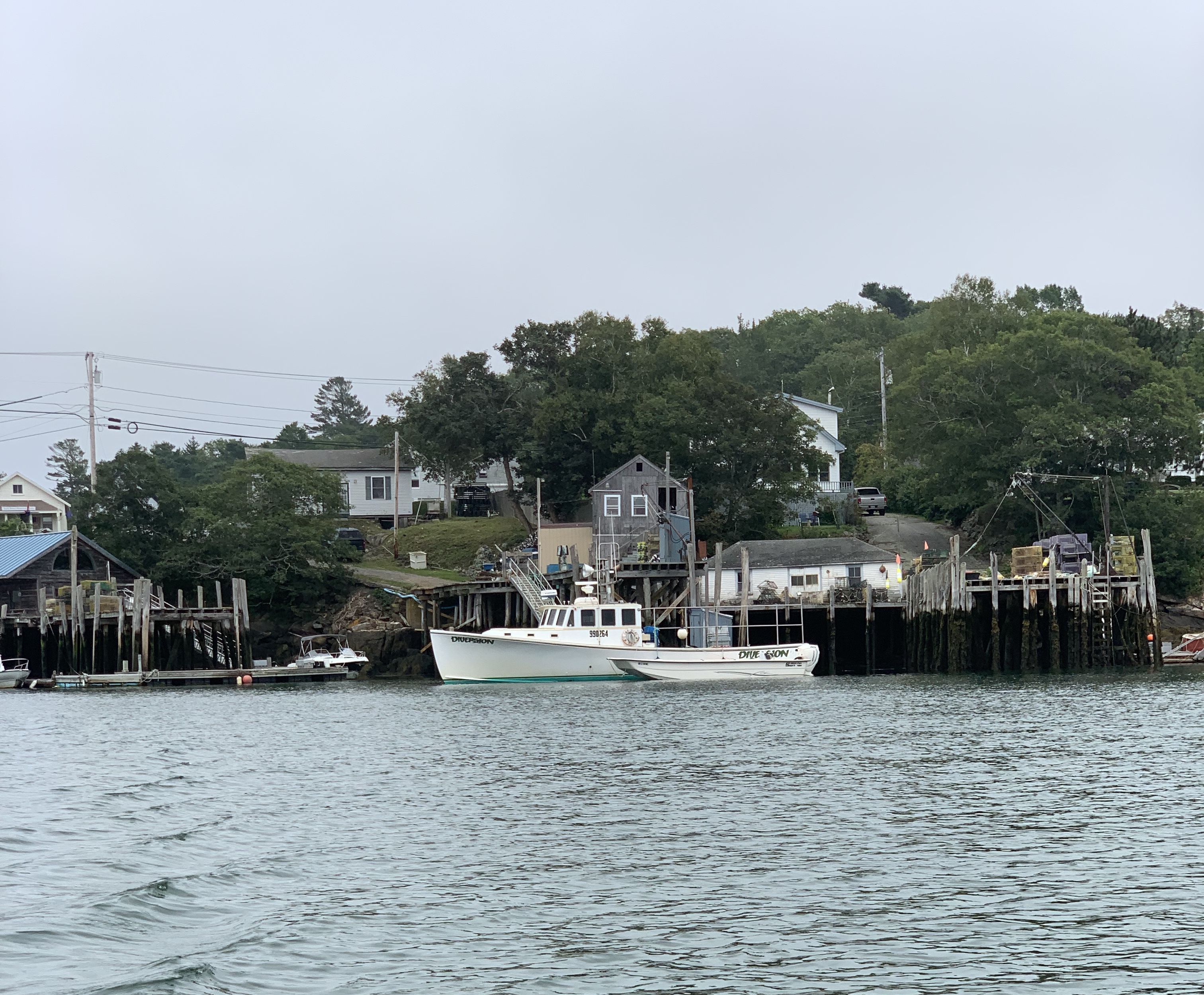
Eddie has his own account at the co-op. They pay him six-and-a-half bucks per pound of live lobster. With the balance he buys gas for his Mercury outboard and popsicles for his cousins. Depending on his familial generosity he will clear between fifty and a hundred dollars at the end of his season — the beginning of the school year. His dad hauls two hundred traps a day six days a week with the winch mounted over the rail of his boat, and he goes out where the big ones lurk in the inky deep. A person can make a good living by lobstering if he learned the trade from his dad and if he goes out at first light and stays out until the required 4PM stop time. John supplements his lobster income by netting up bait fish with the winch which swings from the mast he has mounted over his cabin. If he hits the school just right he will lift eight barrels worth in one net and sell the bounty to his co-op mates.
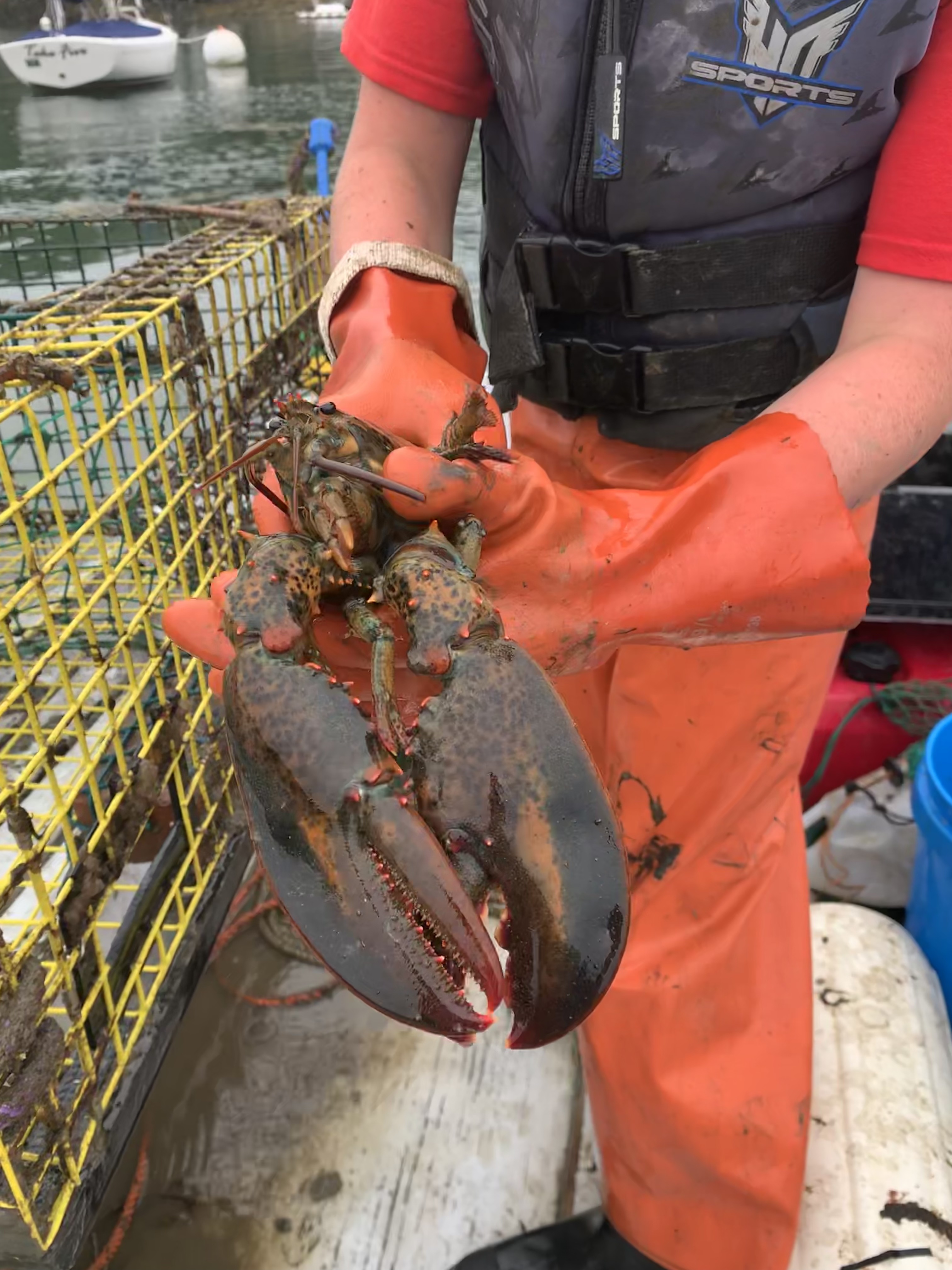
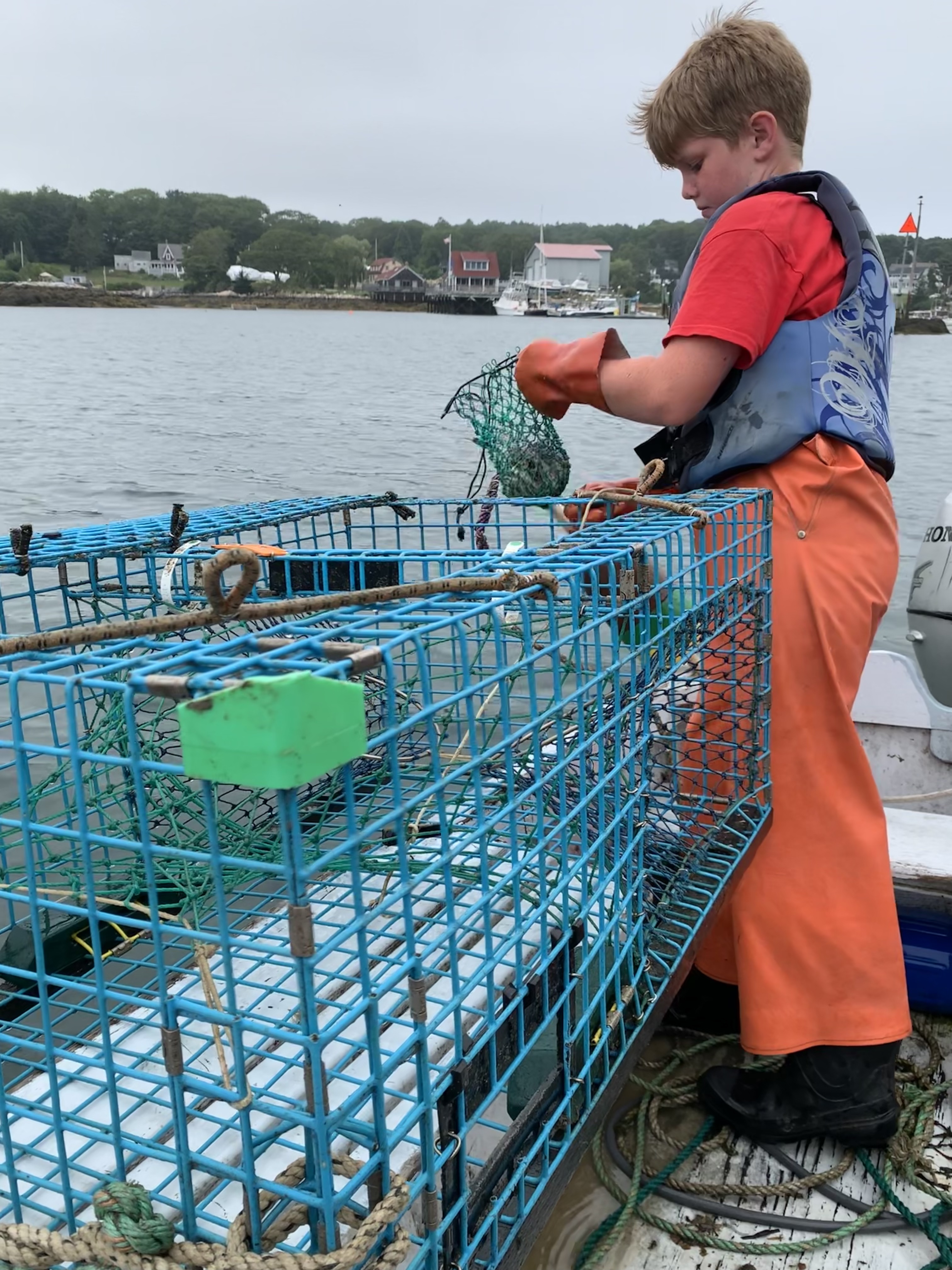
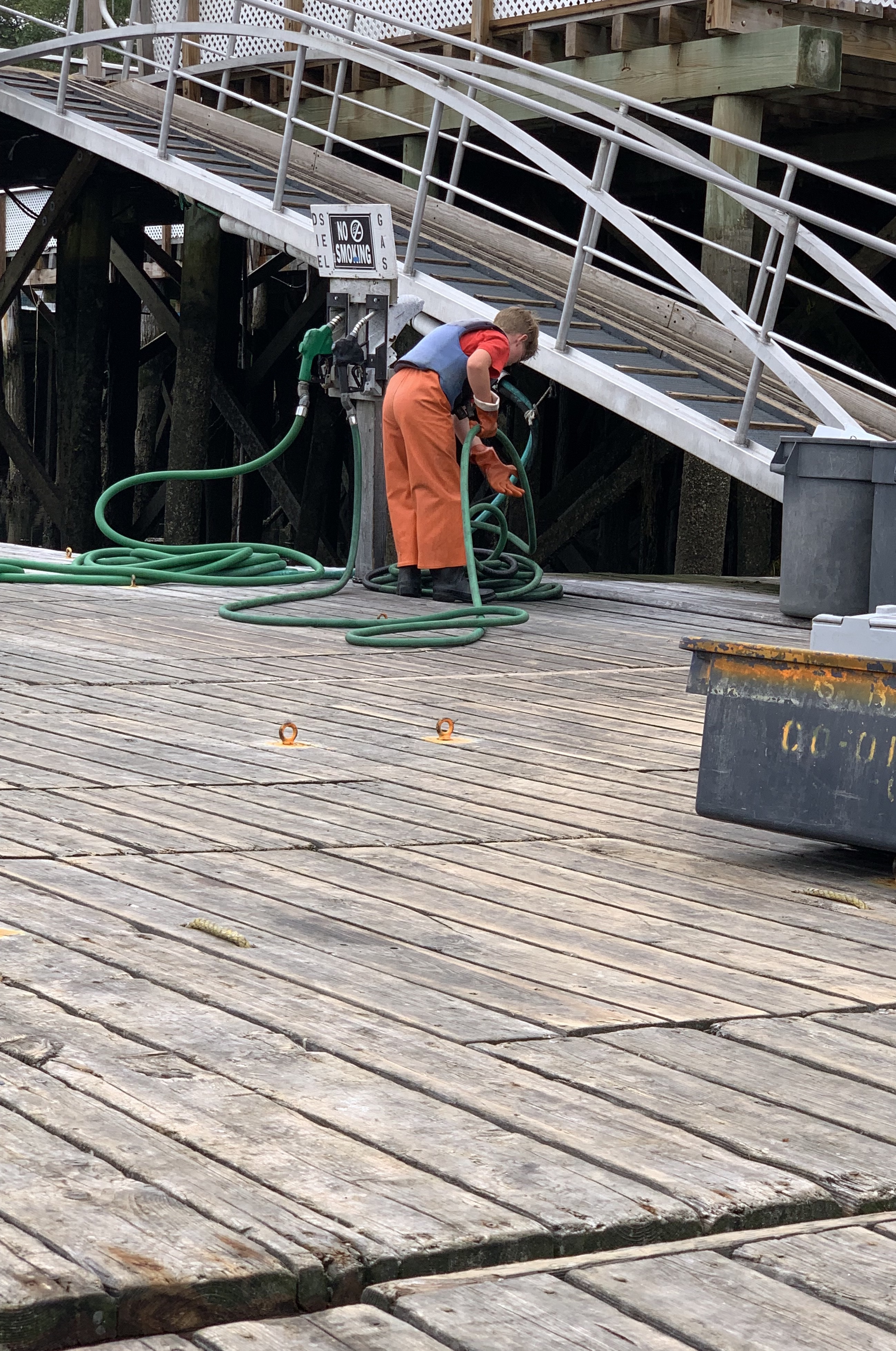
Eddie hauls fifteen traps when he goes out, usually twice a week. He has no winch on his skiff so lifts the huge trap and its living cargo by hand. He does this by wrapping the taut rope around his gloved hand and, leaning into it, walking the three feet across the beam of his skiff, stepping on the rope and repeating the process. By the time he hauls fifteen traps he is pooped. It takes all his strength to lift that poundage off the bottom and up onto the rail of his skiff where he can open his trap, lift out and assess whatever has clambered in there, re-pack the bait sack, close and zip-tie the door, and heave it back into the water.
Eddie thinks out loud so if you are lucky enough to score a ride with him you learn his trade through the simple expedient of listening.
This is where we slow down . . . the no-wake zone.
Before I drop the trap back in I tie the door real tight with this little zip tie. That way if someone opens my trap to steal a lobster, I’ll know it because he’ll have to cut this off.
The bottom is muddy here, so that’s why I stirred up that cloud of dirt when I hauled that trap.
This one is a female who can breed, so I have to cut this notch in her tail. It’s the law, so the next guy knows to release her.
That hurricane might come this way so I have to take these traps back to the dock or the storm might damage them. Those ones over there are protected by the peninsula. I can leave them.
A couple of years ago in a storm, big logs came down the river and dragged some buoys and traps right out to sea.
Eddie pulled ten traps that day. One tossed-back female. One tossed-back juvenile. Seven zeroes. One trap with two keepers. A natural-born voluble raconteur, Eddie talked me right through the afternoon and gave detailed responses to my questions. Only one question did he answer with brevity.
When you grow up, Eddie, will you be a lobsterman?
Yes.
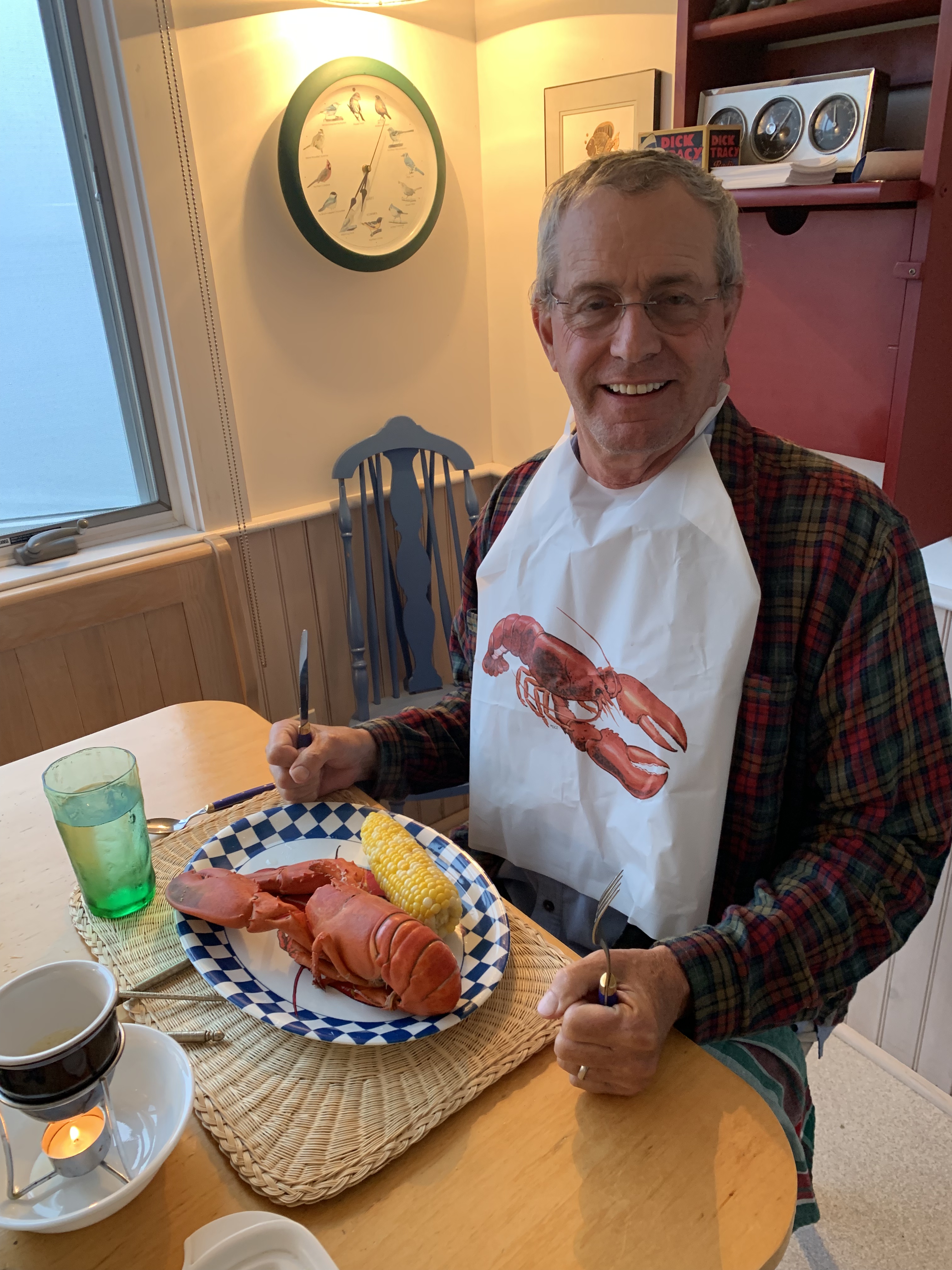
We enjoyed the keepers for dinner.
 hutch adventure 2
Thank you, Bill! A long way from California fires and gubernatorial recall.
LikeLike
What a narrative. Thank you. When Linda and I looked at the center photos of Eddie, we both swore that it was our grandson, Jonas. Full stop. I’d go out fishing with you guys anytime if lobster was there at the end of the trip.
LikeLike
I’m particularly intrigued by the gizmo for rubber banding the lobster claws shut – a risky process I’ve always wondered about. The details are delightful, thanks for the perfect end of August read!
LikeLike
I spent many summer vacation in that area. My aunt and uncle had a rustic cabin on the Damariscotta River.
LikeLike
“Bill, a tale well told. This should amuse and enlighten both grizzled lobster people and those who eat the critters and are curious about who may carry on the traditions. Eddie certainly knows his business and you made that clear. Who knows the future? For now, this is fun, pays well and is entertaining. Eleven is a great age.
Hope you will consider a sequel when you return to South Bristol: an update on Eddie and maybe by that time Sabrina will be skippering her own rig.”
Thanks.
Wink
LikeLike
Great story.
LikeLike